
Artisan Syrups vs Industrial Extracts: The Chemistry of Real Madagascar Vanilla
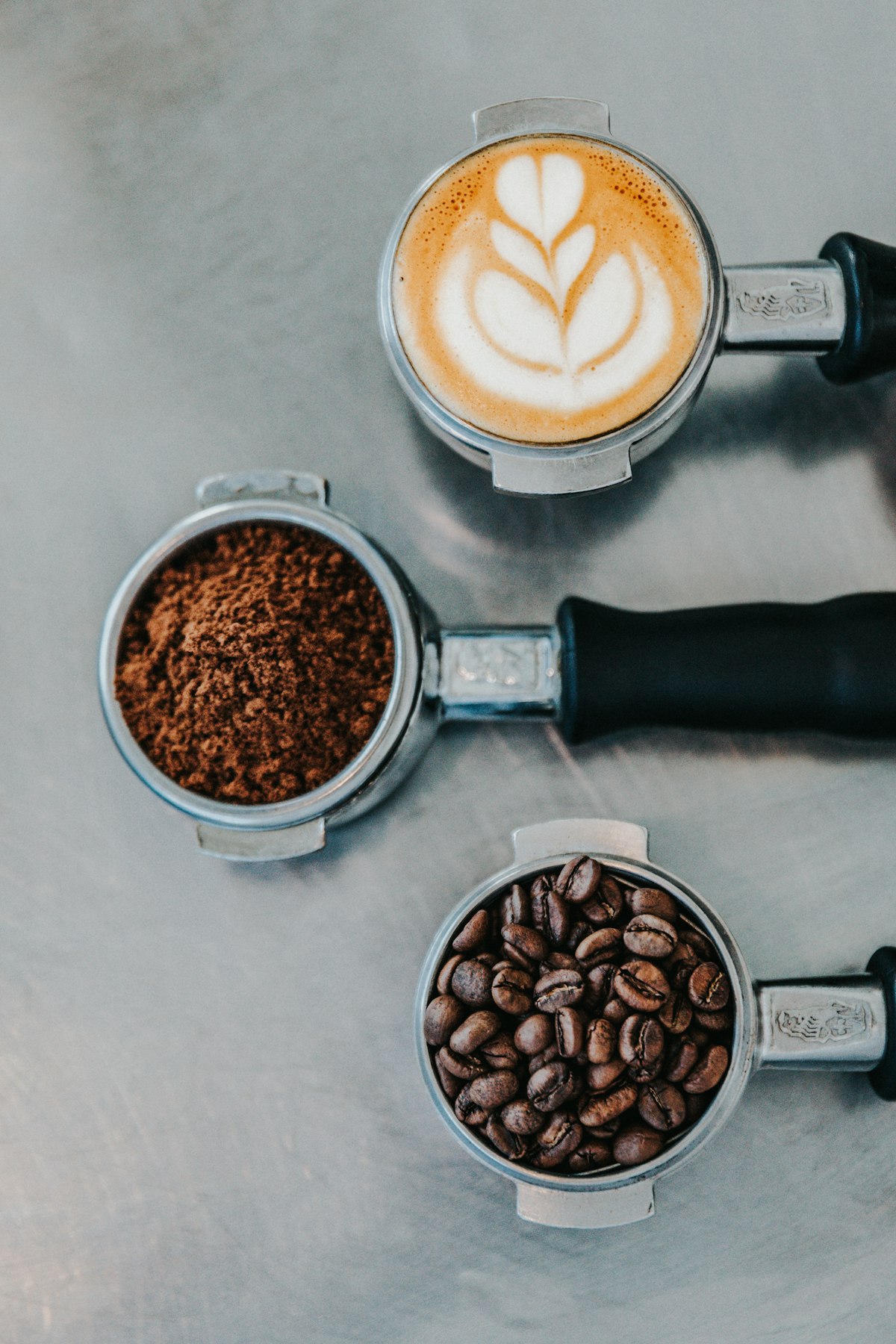
Walk into a commercial coffee chain, and you are greeted by rows of identical translucent bottles labeled with synthetic flavors. While the modern consumer has learned to scrutinize the origin of their coffee beans, the syrups added to their cups remain largely unexamined. Understanding the chemical divergence between industrial flavoring agents and artisan craft syrups is a revelation in culinary integrity.
The Illusion of Vanillin: Synthetic vs Botanical Complexity
Over 95% of the world’s “vanilla-flavored” syrups contain zero actual vanilla orchid beans. Instead, they rely on synthetically manufactured vanillin ($), derived predominantly from petrochemical precursors (guaiacol) or wood pulp paper processing waste (lignin).
Synthetic vanillin is a one-dimensional aroma molecule: it hits the olfactory receptors with blunt, overpowering sweetness that immediately masks the nuanced terroir of specialty coffee. In stark contrast, authentic whole cured Vanilla planifolia pods from Madagascar contain over 250 distinct aromatic volatile compounds—including 4-hydroxybenzaldehyde, vanillic acid, and delicate phenolic esters.
The Sensory Depth of Whole Pod Infusion
When authentic vanilla bean caviar is slowly infused into pure cane syrup at controlled temperatures, it imparts a warm, complex bouquet: notes of dried fig, woody amber, subtle floral spice, and butterscotch. Rather than burying the coffee underneath sugary syrup, authentic botanical vanilla bridges with the natural chocolate and caramel notes present in specialty espresso, enhancing the overall beverage architecture.
The Sugar Matrix: High-Fructose Corn Syrup vs Pure Cane
Industrial syrups rely heavily on High-Fructose Corn Syrup (HFCS 55) for two reasons: it is extraordinarily inexpensive and it suppresses crystallization indefinitely. However, fructose has a distinct sweetening onset curve—it strikes the tongue aggressively, numbing taste buds and leaving a cloying, persistent film on the palate.
At Adam Sol Co., our craft syrups utilize 100% pure evaporated cane juice simmered in small copper kettles. Cane sucrose provides a clean, crystalline sweetness that dissolves crisply, allowing the vibrant acidity of single-origin coffee to shine through unmuted.
“A true artisan syrup should serve as an amplifier for specialty coffee, never a mask to hide poor roasting.”
Formulating the Perfect Specialty Latte
When crafting signature drinks at home or behind the bar, observe the Rule of Balance:
- Standard 8oz Beverage: Limit syrup dosing to 15ml (approximately 1/2 oz). This provides balanced sweetness without exceeding 8 grams of natural sucrose.
- Temperature Sensitivity: Never overheat syrups. Add syrup directly to the espresso shot in your cup before pouring steamed milk. The thermal heat of the freshly pulled shot dissolves the viscous syrup instantly, ensuring uniform dispersion without requiring aggressive spoon stirring that pops microfoam bubbles.
- Acidity Pairing: Pair bright, citrus-forward coffees (like washed Kenyans or Ethiopians) with delicate floral syrups like lavender or raw honey; pair deep, chocolatey coffees (like Brazilian or Sumatran) with rich vanilla bean, salted caramel, or dark cacao.
Molecular Chemistry: The Vanillin-Lipid Interaction in Dairy and Plant Milks
The human perception of sweetness is profoundly influenced by lipid matrices. When natural vanilla caviar compounds are dispersed into high-protein liquids like barista oat milk or whole dairy milk, non-polar aroma molecules (such as vanillin and 4-hydroxybenzaldehyde) dissolve into the suspended lipid globules.
As you sip a hot vanilla latte, the thermal heat of your mouth (approximately 98.6°F / 37°C) melts these lipid spheres, slowly releasing volatile aromatics across the olfactory cleft in the back of your throat. This gradual release creates a persistent, rounded finish that lingers for several minutes. In contrast, water-based synthetic syrups lack these lipid-binding properties—they evaporate instantly on the tip of the tongue, delivering an aggressive sugar shock followed by a hollow, chemical void on the swallow.
Sustainable Orchid Cultivation in the SAVA Region
Natural vanilla is the second most labor-intensive spice on the planet, second only to saffron. The Vanilla planifolia orchid blooms for merely one single day per year, open for just a few short morning hours. Because its native pollinator (the Melipona bee) exists only in Mesoamerica, every single vanilla flower in Madagascar must be hand-pollinated with a tiny bamboo needle by skilled generational farmers.
After pollination, the green pods spend nine months maturing on the vine before undergoing a grueling six-month curing process: hot water blanching, daily sweating under wool blankets, and slow sun drying until the pods turn glossy, black, and supple. By sourcing our vanilla directly from cooperatives committed to fair farmer compensation, Adam Sol Co. ensures that this extraordinary botanical art form continues to thrive against the pressure of cheap synthetic chemical substitutes.
The Alchemy of Craft Caramel: Dry vs Wet Thermal Cooking
Alongside genuine Madagascar vanilla, craft caramel sauce represents the cornerstone of luxury barista beverage architecture. However, mass-market syrups rely on artificial caramel color (Class IV ammonia-sulfite caramel, E150d) combined with synthetic sugar substitutes.
In contrast, artisan caramel is created through pure thermodynamic thermal decomposition: pure evaporated cane sucrose is heated to exactly 338°F–356°F (170°C–180°C). At this precise thermal boundary, sucrose molecules melt into a golden-amber liquid, cracking into complex flavor fractions: diacetyl (buttery richness), maltol (toasty sweetness), and furans (nutty aroma). Finished with hand-harvested sea salt flakes and pasture-raised cream, the resulting syrup possesses multidimensional flavor that elevates, rather than masks, specialty coffee.
Storage and Dispensing Wisdom
Because authentic artisan syrups contain no synthetic chemical emulsifiers or artificial stabilizers, natural settling of vanilla caviar specks is a signature hallmark of purity. Store bottles in a cool, dark cabinet away from direct sunlight. Before each pump or pour, gently invert the bottle twice to distribute the dense vanilla bean seeds throughout the golden syrup.
Culinary Applications Beyond the Espresso Bar
While our small-batch Madagascar vanilla and salted caramel syrups were formulated specifically to harmonize with light and medium roast coffees, their culinary versatility extends throughout the modern gourmet kitchen. Drizzle lightly over artisanal buttermilk waffles, incorporate into slow-churned French vanilla custard bases, or whisk into craft cocktails such as the Smoked Bourbon Vanilla Old Fashioned for an unforgettable sensory depth.