
Cold Extraction vs Slow Immersion: Demystifying TDS and Chemical Solubilization
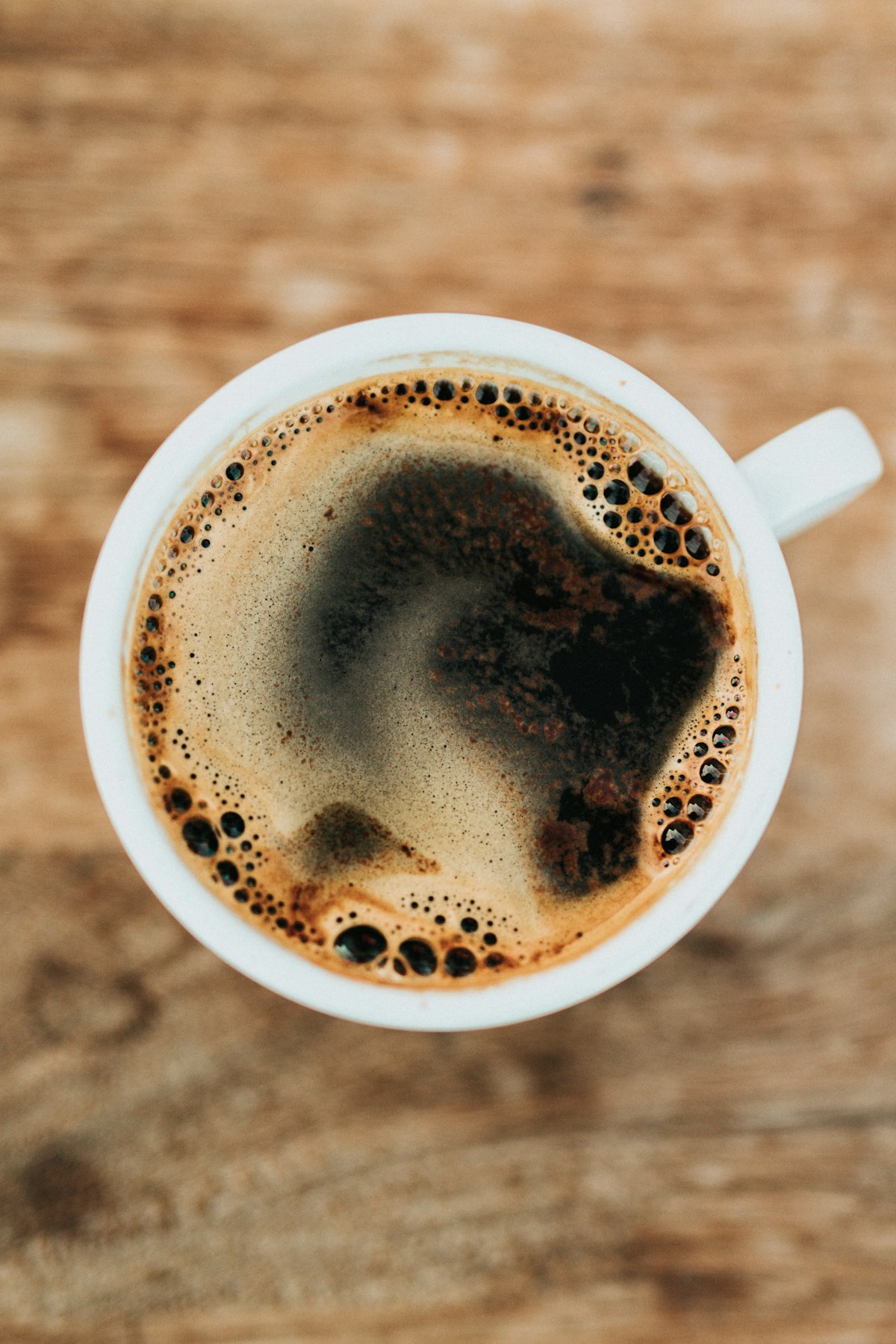
Cold coffee has evolved far beyond pouring leftover morning brew over ice cubes. In the high-end specialty sector, cold extraction represents a disciplined scientific territory where temperature is removed as an extraction catalyst, forcing brewers to manipulate time, immersion dynamics, and water ionic charge to selectively solubilize compounds.
The Thermodynamic Law of Solubilization
In standard hot brewing (195°F–205°F / 90°C–96°C), thermal energy provides kinetic force that accelerates molecular motion. Hot water aggressively dissolves high-molecular-weight compounds, rapidly hydro-lyzing chlorogenic acids into quinic and caffeic acids, and melting volatile coffee lipids that carry rich roasted aromatics.
When water temperature is reduced to 40°F–60°F (4°C–15°C), the activation energy required to dissolve these compounds is absent. Solutes must migrate through the coffee grounds purely via passive diffusion across an extended temporal window—typically 12 to 24 hours.
Selective Chemical Migration
Because thermal degradation does not occur in cold extraction, the chemical fingerprint of the resulting beverage is radically different from hot coffee:
- 65% Lower Titratable Acidity: Cold extraction leaves behind the harsh, stomach-irritating quinic acids that develop when hot coffee oxidizes, creating an extraordinarily smooth, gentle beverage.
- Preservation of Fruity Esters: Delicate fruit-forward notes in natural-process coffees (such as blueberry, peach, and jasmine) remain stable in solution for days without turning rancid.
- Incomplete Lipid Extraction: Heavy diterpenes (cafestol and kahweol) remain trapped within the coffee bean matrix, producing a cup with sparkling clarity and low serum cholesterol impact.
Immersion Steeping vs Slow-Drip Dutch Towers
Not all cold extraction is created equal. Two primary philosophies dominate the specialty landscape:
1. Full Immersion Steeping
In full immersion, coarse coffee grounds remain submerged in water inside an airtight container for 14 to 18 hours. As the liquid becomes saturated with dissolved solids, the concentration gradient between the particle core and the liquid diminishes. This produces a rich, chocolate-forward concentrate with deep molasses sweetness and heavy body, ideal for pairing with barista plant milks.
2. Slow-Drip Percolation (Kyoto / Dutch Style)
In Kyoto-style cold drip towers, chilled water falls drop-by-drop (approximately 40 drops per minute) through a tall, narrow column of finely ground coffee over 6 to 10 hours. Unlike immersion, fresh, unsaturated water continuously contacts the grounds, maintaining a steep concentration gradient.
The result is a translucent, wine-like elixir possessing vibrant acidity, crisp floral top notes, and complex aromatic depth that rivals vintage bourbon. It is widely regarded by coffee sommeliers as the pinnacle of cold coffee expression.
“Cold extraction is not about hiding imperfections; it is about shining a cold, clear spotlight on the innate sweetness of the bean.”
Understanding Total Dissolved Solids (TDS) and Yield
To ensure consistency, professional baristas utilize digital refractometers to measure Total Dissolved Solids (TDS)—the percentage of coffee solids dissolved in the water:
A typical ready-to-drink cold brew should achieve a TDS between 1.35% and 1.55%, corresponding to an extraction yield of 18% to 21%. If your concentrate achieves a TDS of 3.0%+, dilute with chilled filtered water or oat milk at a 1:1 ratio. Stored in hermetic glass bottles away from light, unpasteurized cold brew maintains peak flavor integrity for up to 14 days under refrigeration.
Refractometry and Extraction Yield Calculus in Specialty Cold Brew
To transition from amateur guesswork to professional mastery, cold coffee producers rely on optical refractometry. A digital coffee refractometer measures the angle of refraction as a yellow LED light beam passes through a drop of coffee concentrate, outputting a precise percentage of Total Dissolved Solids (TDS).
Using the Universal Brewing Equation, we calculate actual Extraction Yield (EY):
Extraction Yield (%) = [Brewed Coffee Weight (g) × TDS (%)] / Dry Coffee Dose Weight (g)
In hot brewing, an extraction yield between 18% and 22% represents the gold standard. In cold extraction, because cellulose compounds extract far more sluggishly, target yields generally sit between 16% and 19%. Attempting to push cold brew extraction past 21% by steeping for 36+ hours does not increase sweetness; it merely extracts woody astringency, oxidized bitter quinic acids, and muddy insoluble sediment.
Microbiological Safety and Cold Storage Dynamics
Because cold brew is brewed without the pasteurizing heat of boiling water and typically displays a higher pH (5.2 to 5.8) than hot-brewed coffee (4.8 to 5.0), strict sanitation protocols are vital to prevent microbial spoilage:
- Sanitization: Always sanitize your brewing vessels, valves, and silicone gaskets with food-grade peracetic acid or boiling water prior to adding dry grounds.
- Refrigeration: Never steep cold brew at ambient room temperature if you intend to store the finished concentrate for longer than 48 hours. Steeping inside a walk-in cooler at 38°F (3°C) may require 20% longer contact time (18–22 hours), but it guarantees complete microbial inhibition and leaves the cup extraordinarily clean and crisp.
- Dissolved Oxygen Mitigation: When decanting cold brew concentrate into glass amber bottles, minimize splashing. Introducing dissolved oxygen degrades volatile esters and accelerates oxidation, converting bright berry notes into stale prune flavors within 4 days.
Sensory Profile Evolution Over Extended Maturation (Days 1–14)
Unlike hot-brewed coffee which oxidizes within hours into sour and astringent degradation products, cold extraction concentrate undergoes a fascinating molecular evolution over its two-week refrigerated lifespan:
- Days 1–3 (Peak Crispness): The beverage exhibits bright, sparkling fruit clarity. In washed Ethiopians, floral jasmine and sweet lemon blossom top notes dominate the olfactory profile. Acidity feels fresh, crisp, and lively.
- Days 4–8 (Peak Sweetness and Balance): As dissolved phenolic compounds bond with trace lipid micelles, perceived sweetness increases by up to 20%. Cocoa and caramel undertones deepen, creating the most harmonious balance for sipping over crystal-clear craft ice spheres.
- Days 9–14 (Mellow Vintage Notes): Fruit acidity softens into mellow, bourbon-like barrel notes. While delicate top florals begin to fade, the finish turns deeply chocolaty, rich, and rounded—making it the quintessential base for craft coffee cocktails and affogatos.
The Connoisseur’s Cold Brew Cocktail: The Cold Nitro Atelier
To experience cold extraction at its zenith, combine 60ml of day-5 cold brew concentrate with 15ml of artisan vanilla bean syrup, 30ml of botanical sparkling water, and an expressed strip of fresh orange peel over a hand-carved ice sphere. The effervescence lifts heavy cacao aromatics into the air, creating a sensory symphony that rivals aged single-malt spirits.