
The Modern Cupping Protocol: Training Your Palate to Taste Like a Q-Grader
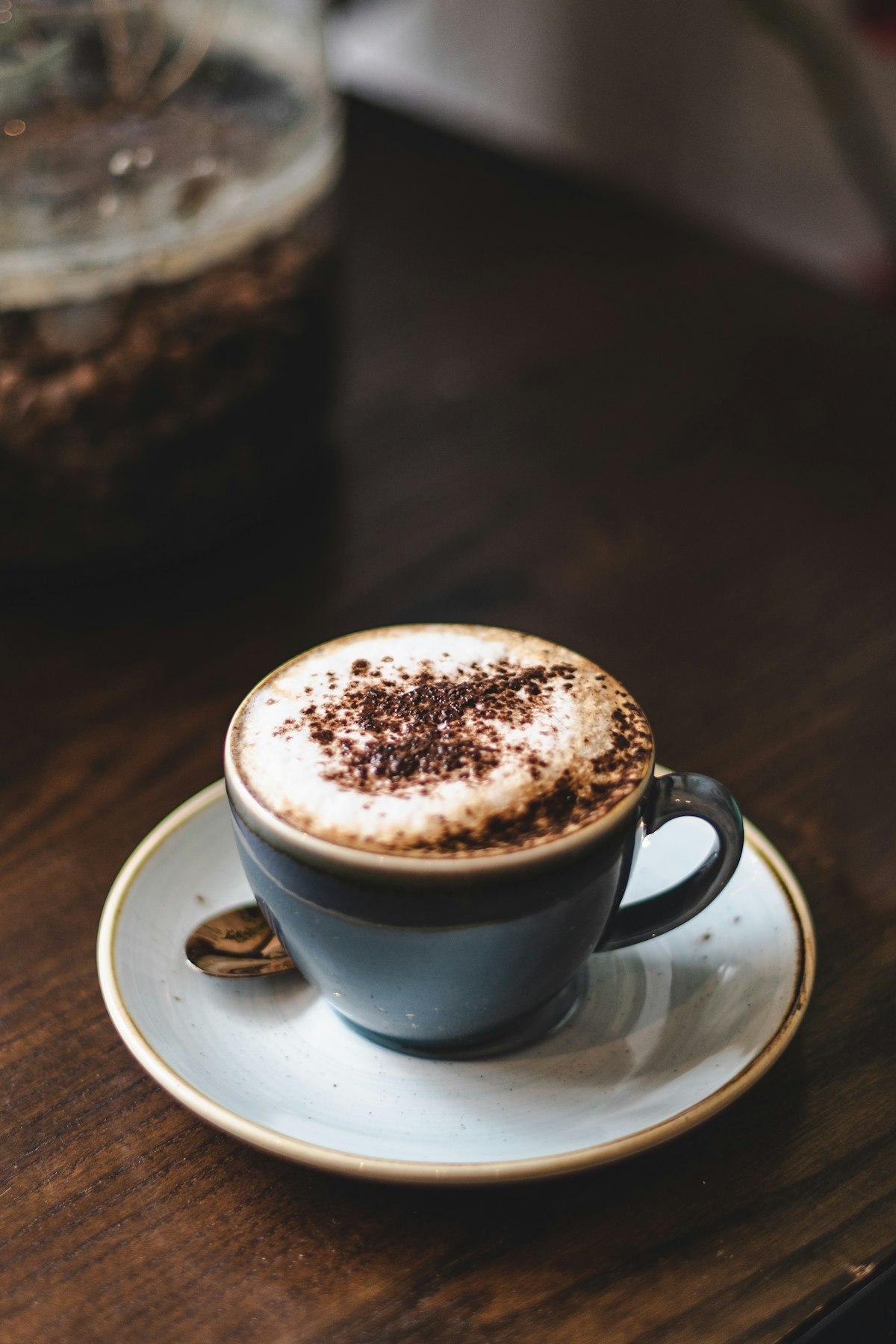
To the uninitiated observer, a professional coffee cupping table looks like a curious theatrical performance: a room of silent specialists pacing around bowls, aggressively sniffing steaming grounds, slurping loudly from silver spoons, and spitting into brass receptacles. Yet this standardized ritual is the universal sensory language of global coffee commerce.
The Purpose of the SCAA Standardized Cupping Protocol
When assessing coffee quality across international borders, variables must be eliminated. If one evaluator brews with a pour-over while another uses an espresso machine, differences in extraction rate, water pressure, and paper filtration will distort the results. The Specialty Coffee Association (SCA) cupping protocol provides a frictionless, repeatable benchmark that isolates bean quality from brewing equipment.
The Standardized Parameters
- Vessel Ratio: Exactly 8.25 grams of whole bean coffee per 150 milliliters of water (a ratio of approximately 1:18).
- Grind Geometry: Slightly coarser than standard drip, with 70% to 75% of particles passing through a U.S. Standard 20 mesh sieve.
- Water Specifications: Total dissolved solids between 125 and 175 ppm, calcium hardness of 50–175 ppm $, zero chlorine, and heated to 200°F ± 2°F (93°C).
The Four Sensory Stages of Cupping
1. Dry Fragrance (0 Minutes)
Freshly ground coffee is weighed into glass cupping bowls. The taster lifts the bowl, gently taps it to release static, and inhales deeply. This stage reveals volatile aldehydes and esters: hints of roasted almond, jasmine florals, or dried berries created during roasting.
2. Wet Aroma and The Crust Break (4 Minutes)
Hot water is poured directly over the grounds, filling the bowl to the brim. A thick crust of grounds rises to the surface. Tasters do not touch the bowl for 4 minutes. At precisely the 4-minute mark, the taster positions their nose directly above the bowl and uses a silver cupping spoon to push the crust backward three times.
Breaking the crust releases a concentrated plume of trapped aromatic steam—this is often the most revealing moment of the entire evaluation, highlighting delicate florals, sweet sugars, or off-flavors like phenol or fermentation defects.
3. The Slurp: Retronasal Olfaction (8 to 12 Minutes)
After skimming floating foam from the surface, the liquor cools to approximately 160°F (71°C). The taster dips the spoon and aspirates (slurps) vigorously into the mouth with a sharp sound.
This loud slurp is functional: it atomizes the liquid into a fine mist across the entire palate while drawing air into the retronasal passage behind the throat, where olfactory receptors identify subtle flavor complexities such as bergamot, stone fruit, and dark honey.
4. Cooling and Consistency (15 to 30 Minutes)
Great specialty coffee becomes more expressive and cleaner as it cools. Inferior coffees reveal harsh astringency, chemical bitterness, and defect taints once thermal heat dissipates. Evaluators score acidity, clean cup, sweetness, and balance across three distinct temperature tiers (hot, warm, room temperature).
“A Q-Grader’s palate is not born with superhuman receptors; it is trained through rigorous, disciplined calibration against sensory reference standards.”
How to Host a Domestic Tasting Table
You do not need a commercial laboratory to cup coffee at home. Line up three distinct offerings—for instance, an Ethiopian washed, a Vietnamese natural, and a Central American whole bean. Grind 10 grams of each into separate glasses. Pour 180ml of hot water, set a 4-minute timer, break the crust, and begin tasting. Take notes on sweetness, brightness, and body. You will quickly discover sensory nuances that were previously invisible in your morning mug.
Sensory Calibration: The World Coffee Research Lexicon
To build a world-class tasting palate, coffee evaluators do not rely on subjective impressions like “tastes like my grandmother’s garden.” They calibrate their neurological pathways against the standardized World Coffee Research (WCR) Sensory Lexicon—a rigorous scientific dictionary that maps 110 distinct attributes against exact physical references:
- Floral (Jasmine): Calibrated against steepings of pure dried organic jasmine blossoms.
- Citrus (Citric Acidity): Calibrated against a 0.05% aqueous solution of food-grade citric acid.
- Stone Fruit: Calibrated against pure canned apricot puree diluted in distilled water.
- Fermented / Over-ripe: Calibrated against bruised overripe banana peels and acetic acid references.
Overcoming Sensory Adaptation and Palate Fatigue
When cupping multiple tables of coffee, your olfactory and gustatory receptors experience rapid habituation (sensory fatigue). To maintain razor-sharp evaluation accuracy across a 20-sample table, adopt these professional habits:
- Reset with Carbonated Water: Effervescent sparkling water physically scrubs the tongue of residual coffee oils, resetting papillae receptor sensitivity.
- Inhale Neutral Linen: If your nose becomes overwhelmed by roasted aromatics, inhale deeply against clean, un-scented cotton cloth or your own inner elbow. This resets your olfactory baseline instantly.
- Maintain Spitting Rigor: Never swallow coffee on a professional cupping table. Swallowing introduces caffeine into the bloodstream, triggering tachycardia and sensory over-stimulation after sample five.
The Architecture of the SCA Cupping Form
On a certified Specialty Coffee Association cupping sheet, evaluators score ten independent parameters on a calibrated scale from 6.00 to 10.00 (with quarter-point increments):
- Fragrance / Aroma: Evaluated both dry and after crust break.
- Flavor: The core sensory impression delivered during the retronasal slurp.
- Aftertaste: The length and quality of positive flavor lingering after swallowing or spitting.
- Acidity: Scored on quality (brightness, sweetness, complexity) rather than sheer intensity.
- Body: The tactile weight and texture on the tongue (ranging from light and tea-like to viscous and buttery).
- Balance: How harmoniously flavor, acidity, and mouthfeel coalesce together.
- Uniformity: Verifying consistency across all 5 individual sample cups.
- Clean Cup: Absence of negative defects, bagginess, or mold.
- Sweetness: Presence of natural caramelized carbohydrates.
- Overall: The evaluator’s holistic appraisal of the coffee’s character and distinction.
Coffees scoring 80–84.99 are designated “Specialty Grade”; 85–89.99 represent “Origin Exemplars”; and lots scoring 90.00+ are ultra-rare “Presidency Lots” commanding astronomical auction prices worldwide.